


You will have noticed a peculiar pattern emerging among our betters, those titans of industry and finance who assure us that the future is bright while simultaneously building bunkers deep enough to survive the apocalypse. There is something profoundly revealing about the modern billionaire’s obsession with doomsday preparations, a contradiction so glaring it practically screams its own indictment. These are the very architects of our interconnected global economy, the evangelists of progress and innovation, who are simultaneously investing heavily in escape routes from the world they’ve created.
The evidence is not merely anecdotal; it is a verifiable pattern of behavior that suggests either a mass delusion has seized the highest echelons of society, or they know something we don’t. When Mark Zuckerberg drops $170 million on a Hawaiian estate complete with a $100 million underground bunker, or when Peter Thiel acquires New Zealand citizenship and 477 acres of land in the scenic South Island, these are not mere vanity purchases. These are calculated moves by people with access to information channels and risk assessments that ordinary citizens can only imagine. As Reid Hoffman, the LinkedIn co-founder, bluntly admitted, “Silicon Valley’s elites are getting bunkers, and most of the billionaires, if they don’t have a bunker, they are probably getting one right now.”
The psychological dimension of this phenomenon is perhaps its most telling aspect. What does it say about a system when its most successful participants are secretly planning its demise? These bunkers represent more than mere physical structures; they are monuments to a profound moral bankruptcy, the architectural embodiment of a social contract torn to shreds. The billionaire bunker is the ultimate symbol of an elite class that has profited immensely from a system it no longer believes in, or worse, knows to be fundamentally unsustainable. There is something particularly galling about watching those who have benefited most from social cohesion preparing to abandon the rest of us when the consequences of their actions finally come due.
The historical parallels here are both instructive and sobering. We have seen this pattern before—elites who grow so detached from the societies that sustain them that they begin to view the general population not as fellow citizens but as potential threats in an impending catastrophe. The French aristocracy before the revolution, the Roman senators as the empire crumbled—both exhibited similar patterns of disengagement and preparation for personal survival at the expense of collective responsibility. What makes our current iteration particularly dangerous is the technological capacity for destruction that now accompanies this elite detachment. When those with the most resources and information are simultaneously preparing for societal collapse, one might reasonably conclude that we are approaching a breaking point.
The geographical distribution of these escape plans is equally revealing. The billionaire bunkers are not randomly scattered across the globe; they are concentrated in specific locations that offer particular strategic advantages. New Zealand, with its geographic isolation, political stability, and agricultural self-sufficiency, has become a favored destination. Hawaii, with its defensible island geography and remote location, serves a similar purpose. These are not merely vacation homes; they are carefully selected positions from which to weather a systemic collapse while maintaining some semblance of the lifestyle to which they’ve become accustomed. The specificity of these choices suggests detailed planning based on sophisticated threat assessments that ordinary citizens simply do not have access to.
The technological sophistication of these preparations is equally telling. These are not merely fallout shelters from a bygone era; they are self-contained ecosystems designed to maintain a particular standard of living for extended periods. The Zuckerberg bunker reportedly includes all the amenities of modern luxury, from sophisticated air filtration systems to sustainable food production capabilities. These are not survival preparations in the traditional sense; they are attempts to preserve a particular way of life that they apparently believe is about to become extinct for everyone else. There is something almost feudal about this vision of the future—lords in their castles, peasants outside the walls.

The ethical dimensions of this phenomenon are perhaps the most disturbing aspect of all. There is a profound moral failure at the heart of the billionaire bunker phenomenon, a betrayal of the social contract that underpins any functioning society. Those who have benefited most from our collective institutions are apparently preparing to abandon those institutions and the people who sustain them when crisis arrives. This represents not merely a lack of civic responsibility but an active contempt for the very concept of shared fate. The bunker is the physical manifestation of a worldview that sees society not as a collective enterprise but as a resource to be exploited and then abandoned when depleted.
The economic implications of this trend are equally troubling. When the most successful members of a capitalist society begin to behave as if that society is on the verge of collapse, it creates a self-fulfilling prophecy of sorts. Capital allocated to bunkers and escape plans is capital not allocated to solving systemic problems. The psychological impact of knowing that the elite are preparing to abandon ship cannot be overstated either; it undermines faith in the system itself, creating a vicious cycle of disinvestment and disengagement that only accelerates the very collapse these preparations anticipate. There is something profoundly parasitic about this behavior—extracting maximum value from a system while simultaneously preparing for its demise.
The media’s treatment of this phenomenon is itself revealing. There is a peculiar normalization of billionaire bunker preparations, a curious lack of alarm about what it means that the most powerful people in society are secretly preparing for its collapse. The coverage tends toward the quirky and eccentric rather than the deeply troubling, treating what should be seen as a profound indictment of our trajectory as merely another eccentricity of the ultra-wealthy. This journalistic failure is itself a symptom of a broader societal malaise, an inability or unwillingness to confront the implications of what is happening before our very eyes. When the canaries in the coal mine are building luxury bunkers, perhaps we should pay more attention to the air quality.
The political dimensions of this phenomenon cannot be ignored either. These are the same individuals who wield enormous influence over our political system through campaign contributions, think tanks, and media ownership. Their public policy positions often stand in stark contrast to their private preparations. They advocate for policies that exacerbate systemic risks while privately insulating themselves from those very risks. There is something profoundly undemocratic about this arrangement, a system where the masses are encouraged to maintain faith in institutions that the elite themselves are apparently preparing to abandon. This represents not merely a policy disagreement but a fundamental betrayal of democratic principles.
The environmental implications of this trend are particularly ironic. Many of these bunker-building billionaires have positioned themselves as environmental advocates, investing in green technologies and climate solutions while simultaneously preparing to escape the consequences of environmental collapse. The cognitive dissonance here is staggering—profiting from the very systems driving environmental degradation while preparing to abandon the planet to its fate. There is something almost satirical about the image of environmental advocates building bunkers to escape the consequences of the climate crisis they claim to be solving. It suggests either a profound lack of faith in their own solutions or a cynical willingness to profit from disaster while insulating themselves from its consequences.
The psychological profile of the bunker-building elite is itself worthy of examination. What kind of person builds an escape route from the society they’ve helped shape? There is a particular kind of sociopathy at work here, an ability to simultaneously participate in and profit from a system while secretly preparing for its collapse. This requires a level of compartmentalization that would be impressive if it weren’t so terrifying. These are not merely survivalists preparing for natural disasters; they are individuals who apparently believe they are creating the very conditions that will require these survival preparations. There is something almost godlike about this worldview—the ability to create disaster and then position oneself above its consequences.
The security implications of this phenomenon are equally troubling. These bunkers are not merely passive shelters; they are fortified positions designed to defend against external threats. The very existence of these bunkers presupposes a scenario where the general population becomes a threat to the elite, a breakdown of social cohesion so complete that armed defense becomes necessary. When the wealthiest citizens begin preparing to defend themselves against the rest of society, it suggests a profound breakdown of trust that extends far beyond the typical political divisions. There is something almost feudal about this vision of the future—walled compounds protecting the elite from the desperate masses outside.
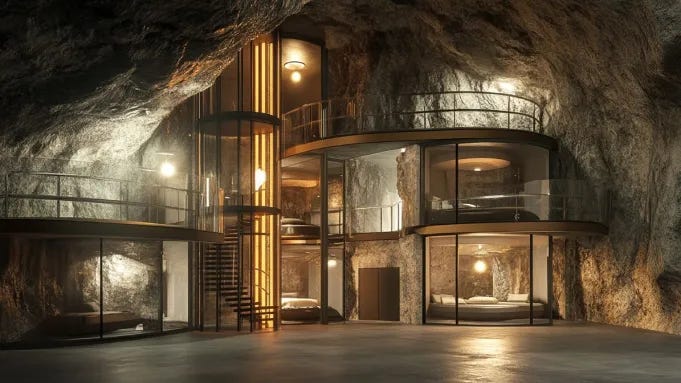
The technological arms race in bunker construction is itself revealing. These are not merely underground shelters; they are increasingly sophisticated self-contained ecosystems with advanced security systems, independent power generation, and sustainable food production. The technological sophistication of these preparations suggests detailed planning based on specific threat scenarios that ordinary citizens simply do not have access to. There is something deeply unsettling about the technological disparity between these elite preparations and the resources available to ordinary citizens. When survival becomes a luxury good, we have fundamentally misunderstood the concept of society itself.
The financialization of apocalypse is perhaps the most predictable aspect of this phenomenon. Where there is fear, there will be markets, and the doomsday preparation industry has exploded in recent years. What was once the domain of fringe survivalists has become mainstream among the ultra-wealthy, with companies specializing in luxury bunkers, escape plans, and continuity solutions. The commodification of societal collapse is itself deeply revealing, turning what should be a collective concern into another luxury good for the ultra-wealthy. There is something profoundly American about this trend—finding a way to profit even from the apocalypse, turning societal breakdown into another investment opportunity.
The demographic dimensions of this trend are equally telling. This is not a cross-section of society preparing for disaster; it is overwhelmingly a phenomenon of the ultra-wealthy, disproportionately white and male, disproportionately represented in tech and finance industries. These are not merely random citizens taking reasonable precautions; they are individuals with disproportionate influence over our collective trajectory who apparently believe that trajectory is leading toward collapse. The demographic specificity of these preparations suggests particular anxieties about the consequences of systemic inequality, a fear that those who have benefited most from an unjust system might face particular consequences when that system breaks down.
The religious and philosophical dimensions of this phenomenon cannot be ignored either. There is something almost apocalyptic about the bunker mentality, a secular version of end-times theology where the elect are preserved while the wicked face judgment. The bunker becomes a modern ark, preserving the righteous (or at least the wealthy) through the flood of societal collapse. This secular eschatology is particularly telling, suggesting that even as traditional religious belief declines, the psychological patterns of apocalyptic thinking persist in new forms. The bunker is not merely a physical structure but a theological statement about who deserves to survive when judgment comes.
The architectural manifestations of this phenomenon are themselves revealing. These are not merely functional shelters; they are increasingly statements about a particular vision of the future. The luxury bunker represents a vision of apocalypse where the fundamental distinctions of class and status are preserved even amid societal collapse. There is something profoundly conservative about this vision of the future—not in the political sense but in the literal sense of conserving existing social hierarchies even through disaster. The bunker is not merely a survival strategy but a political statement about who deserves to survive and why.
The cultural dimensions of this trend are equally disturbing. We are witnessing the emergence of what might be called “disaster chic,” a cultural aesthetic that romanticizes societal collapse while ignoring its horrific realities. The billionaire bunker is not merely a practical preparation; it is a cultural statement, a performance of preparedness that serves to normalize the idea of societal collapse. There is something deeply pathological about a culture that begins to view the apocalypse as another lifestyle choice, another opportunity for conspicuous consumption. When disaster becomes a luxury good, we have lost touch with something fundamental about our shared humanity.
The psychological impact on the broader society of knowing that the elite are preparing to abandon ship cannot be overstated. There is something profoundly demoralizing about the realization that those with the most resources and influence are apparently preparing to abandon the rest of us when crisis arrives. This knowledge undermines faith in the system itself, creating a vicious cycle of disinvestment and disengagement that only accelerates the very collapse these preparations anticipate. When the lifeboats are reserved for first class while the rest of us are encouraged to go down with the ship, it tends to undermine one’s faith in the journey itself.

The international dimensions of this phenomenon are equally troubling. These are not merely American billionaires preparing for American collapse; they are global citizens preparing for global chaos, with escape routes that transcend national boundaries. The billionaire bunker is not merely a rejection of American democracy but of the very concept of international cooperation and shared fate. There is something profoundly neo-feudal about this vision of the future—global elites with no national loyalties, only allegiances to each other and to the preservation of their privilege regardless of the consequences for ordinary citizens around the world.
The historical significance of this moment cannot be overstated. We are witnessing something unprecedented in human history—a global elite class with the technological and financial resources to insulate themselves from the consequences of societal collapse. Previous generations of elites faced the same consequences as everyone else when systems broke down, but our current generation of billionaires apparently believes they can escape the very collapse they may be helping to create. There is something historically significant about this development, a potential turning point in the relationship between the powerful and the societies that sustain them.
The ethical implications of this trend extend far beyond the personal choices of individual billionaires. These bunkers represent a fundamental rejection of the concept of shared fate, the very foundation of any moral society. When the most privileged members of society begin to act as if they have no moral obligations to the less privileged, we are witnessing not merely a political disagreement but a fundamental breakdown of ethical consensus. The bunker is not merely a physical structure but a moral statement about who counts and who doesn’t, who deserves to survive and who can be abandoned to their fate.
Constructive Contempt: Beyond Bunkers
The bunker phenomenon is a symptom of a deeper sickness in our society, but it also points toward potential solutions. The very existence of these escape plans reveals that even the beneficiaries of our current system recognize its unsustainability. This recognition, however self-serving, creates an opening for meaningful reform. The challenge is to channel the resources and ingenuity currently being devoted to escape into efforts at systemic repair.
One promising approach would be what might be called “continuity of civilization” legislation—laws that require those who exercise disproportionate influence over our collective systems to have skin in the game for the long-term health of those systems. Just as we require corporate executives to hold company stock to align their interests with shareholders, we might require those with disproportionate influence over critical infrastructure to have proportional exposure to the risks facing that infrastructure. This would not prevent private preparations for disaster, but it would ensure that those who can most easily escape the consequences of their actions have strong incentives to prevent those consequences from materializing in the first place.
Another approach would be the creation of what might be called “societal resilience bonds”—financial instruments that pay out when key social indicators remain within healthy ranges. These bonds would create a market for societal stability, allowing those concerned about systemic risks to hedge against those risks while simultaneously creating financial incentives for stability. The same financial engineering currently being used to profit from disaster could be repurposed to profit from prevention. This would appeal to both the self-interest and the risk management instincts that currently drive bunker preparations.
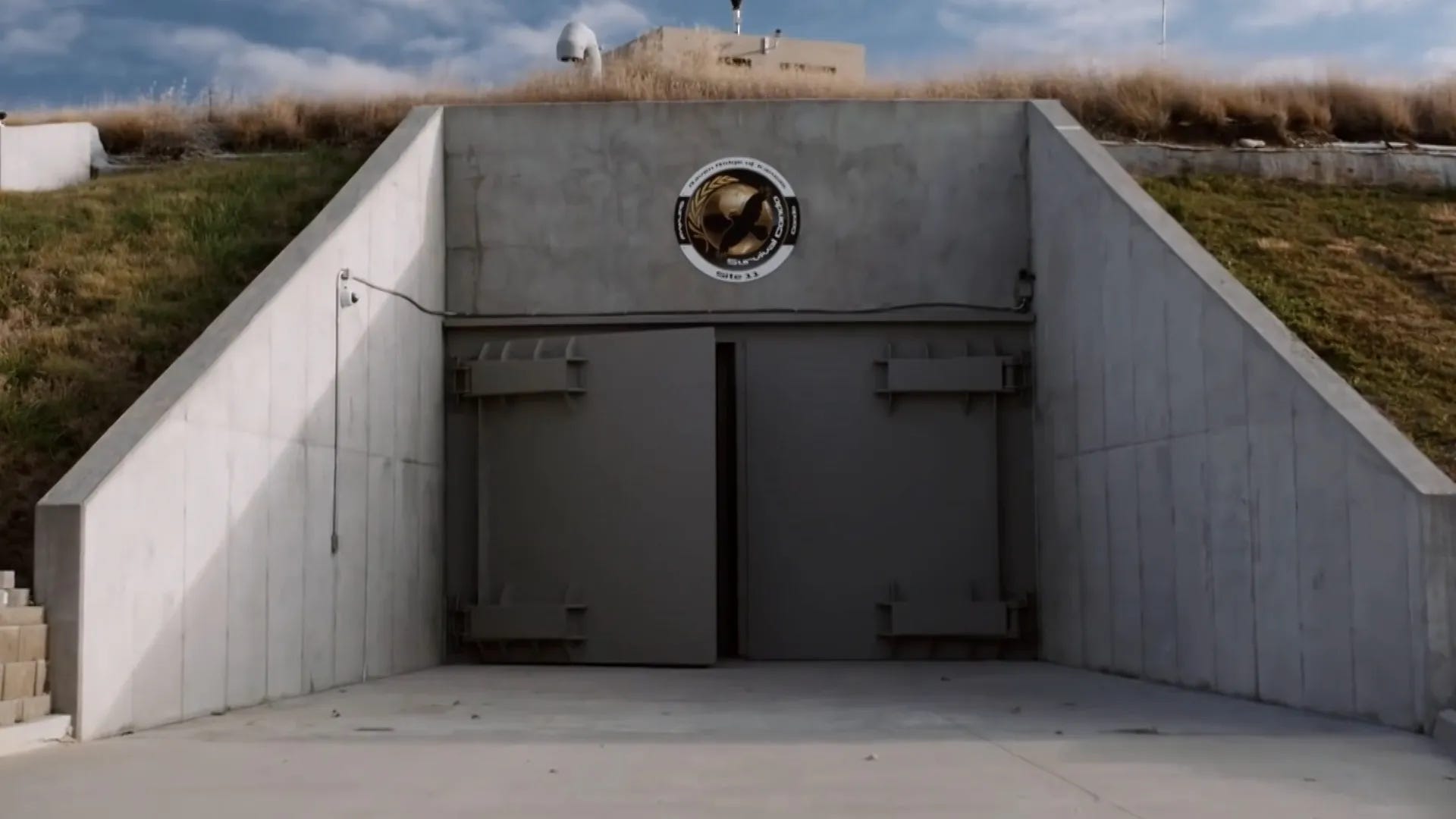
A third approach would be the development of what might be called “distributed resilience infrastructure”—community-scale versions of the systems currently being built into luxury bunkers. Rather than allowing the wealthy to opt out of shared challenges, we could invest in making our shared systems more resilient at every level. Decentralized energy systems, local food production, water security measures—these would not eliminate all risks of societal collapse, but they would reduce the incentives for escape by making the broader society more bunker-like in its resilience. This would appeal to both the practical survival instincts and the egalitarian instincts that are often suppressed in discussions of disaster preparation.
The psychological dimension of this problem requires particular attention. The bunker mentality is not merely a practical response to perceived risks; it is a symptom of a profound breakdown of social trust. Addressing this breakdown will require new institutions and practices that rebuild the social fabric. What might be called “civic resilience centers”—community spaces that combine practical disaster preparation with opportunities for meaningful cross-class interaction—could help rebuild the trust that makes societies cohesive in the first place. These centers would appeal to both the practical need for preparation and the psychological need for connection.
The international dimensions of this problem require international solutions. The global nature of both the risks and the escape plans calls for what might be called “global resilience agreements”—treaties that recognize our shared fate in the face of systemic risks. These agreements would not prevent private preparations, but they would create international standards for transparency and cooperation in addressing the very risks that drive those preparations. This would appeal to both the rational self-interest of nations and the moral imperative of addressing shared challenges.
The technological dimensions of this problem offer particular opportunities for innovation. The same technological sophistication currently being applied to luxury bunkers could be redirected toward what might be called “democratic resilience technology”—systems that make our shared infrastructure more reliable and our democratic processes more robust. Blockchain-based voting systems, decentralized energy grids, transparent supply chain management—these technologies could reduce the very risks that currently drive bunker preparations. This would appeal to both the technological optimism and the problem-solving instincts that characterize many of those currently building bunkers.
The economic dimensions of this problem require economic solutions. What might be called “resilience taxation”—tax policies that incentivize investments in systemic stability rather than private escape—could help redirect resources toward collective solutions. Tax credits for community resilience projects, carbon taxes that fund climate adaptation, wealth taxes that support social safety nets—these policies would make escape more expensive while making prevention more attractive. This would appeal to both the economic rationality and the fairness concerns that underlie much of the resentment toward bunker preparations.
The cultural dimensions of this problem require cultural solutions. The romanticization of apocalypse in popular culture needs to be countered with what might be called “resilience culture”—artistic expressions that celebrate collective problem-solving rather than individual survival. Films, books, and music that portray societies successfully navigating challenges through cooperation rather than escape could help shift the cultural narrative from inevitable collapse to potential renewal. This would appeal to both the human need for stories and the psychological need for hope.
The educational dimensions of this problem require educational solutions. What might be called “resilience education”—curricula that teach both practical skills for navigating challenges and the ethical framework for understanding our shared fate—could help prepare the next generation to face systemic risks without abandoning their fellow citizens. This education would combine practical preparedness with moral reflection, creating citizens who are both capable of surviving disaster and committed to preventing it. This would appeal to both the practical need for skills and the moral need for perspective.
The political dimensions of this problem require political solutions. What might be called “resilience politics”—a political framework that prioritizes long-term systemic health over short-term partisan advantage—could help rebuild the political capacity to address the very risks that drive bunker preparations. This would require new institutions, new practices, and new norms that reward cooperation across traditional divides. It would appeal to both the pragmatic need for effective governance and the moral imperative of shared responsibility.
The bunker phenomenon is a warning, but warnings are useless without response. The very existence of these escape plans proves that even the beneficiaries of our current system recognize its unsustainability. That recognition, however self-serving, creates an opening for meaningful reform. The challenge is to channel the resources and ingenuity currently being devoted to escape into efforts at systemic repair. The future is not yet written, and those currently preparing for the worst might yet be persuaded to work toward the best. The choice between bunkers and bridges remains ours to make…